



Trump announces a “fair” trade deal with Canada and promises to cut tariffs on steel and aluminum in half
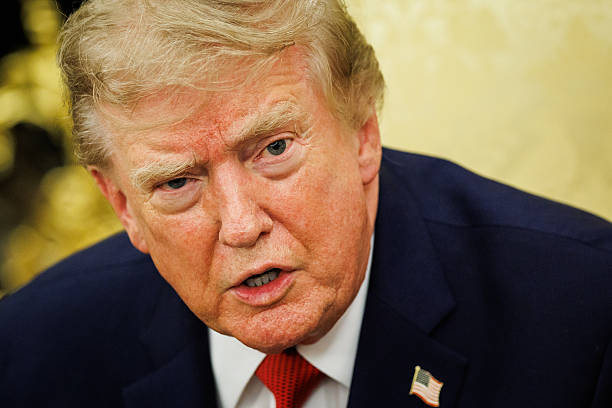
Hours before a 50% tariff on $20 billion worth of Canadian goods was set to take effect, Donald Trump announced on August 19 that the United States and Canada had reached a “very fair” trade agreement and paused the tariffs for three days to finalize the paperwork. Canada has until this Saturday, August 22, to finalize the agreement, or it could face the 50% tariff again, so by the time you read this, the outcome may already be known.
What exactly would change with the tariffs?
According to reports from Bloomberg and other trade-focused media outlets, the tariff on Canadian steel and aluminum would drop from 50% to 25%, and the tariff on cars lacking sufficient U.S. content would fall from 25% to 15%. Trump put it this way: “We’re looking at that. We could lower some of the tariffs to a level similar to that of other countries.” He also promised that “tariffs will be nonexistent for farmers,” a statement that directly targets one of the sectors employing a significant portion of the Latino workforce in Canada.
Is the deal finalized or could it still change?
It’s not a done deal. A White House official was clear with reporters: “Any information about the details of this potential agreement should be considered speculation until it is officially announced.” Prime Minister Mark Carney spoke in a similar tone, more cautious than triumphant: he said progress was being made toward “the best terms in each of Canada’s most important strategic sectors,” without confirming specific figures. As a goodwill gesture while negotiations are finalized, Carney asked provincial premiers on August 19 to return American liquor to store shelves, which several provinces had pulled in retaliation; Nova Scotia’s premier, Tim Houston, himself admitted that the measure had become “an irritant to our neighbors south of the border.”
How much does this weigh on the daily life of a Latino in Canada?
Seventy-two percent of Canada’s exports go to the United States, so the outcome of these negotiations is not an abstract matter of trade policy: it directly impacts factories, farms, and warehouses where thousands of Latinos work, and the price of everything produced with steel, aluminum, or auto parts. If the agreement falls through this Saturday, the threat of a 50% tariff returns. If it is signed with these terms, there is some relief for these sectors, although neither government has officially confirmed it yet.
Meanwhile, the only figure that is official for now is the deadline: this Saturday, August 22, and from there depends whether this story ends in relief for those sectors or in another round of trade tension between the two countries.
Editorial Staff Mauricio Navas Talero LJI Reporter