



The US trade chief says Canada broke off tariff negotiations “for political reasons”
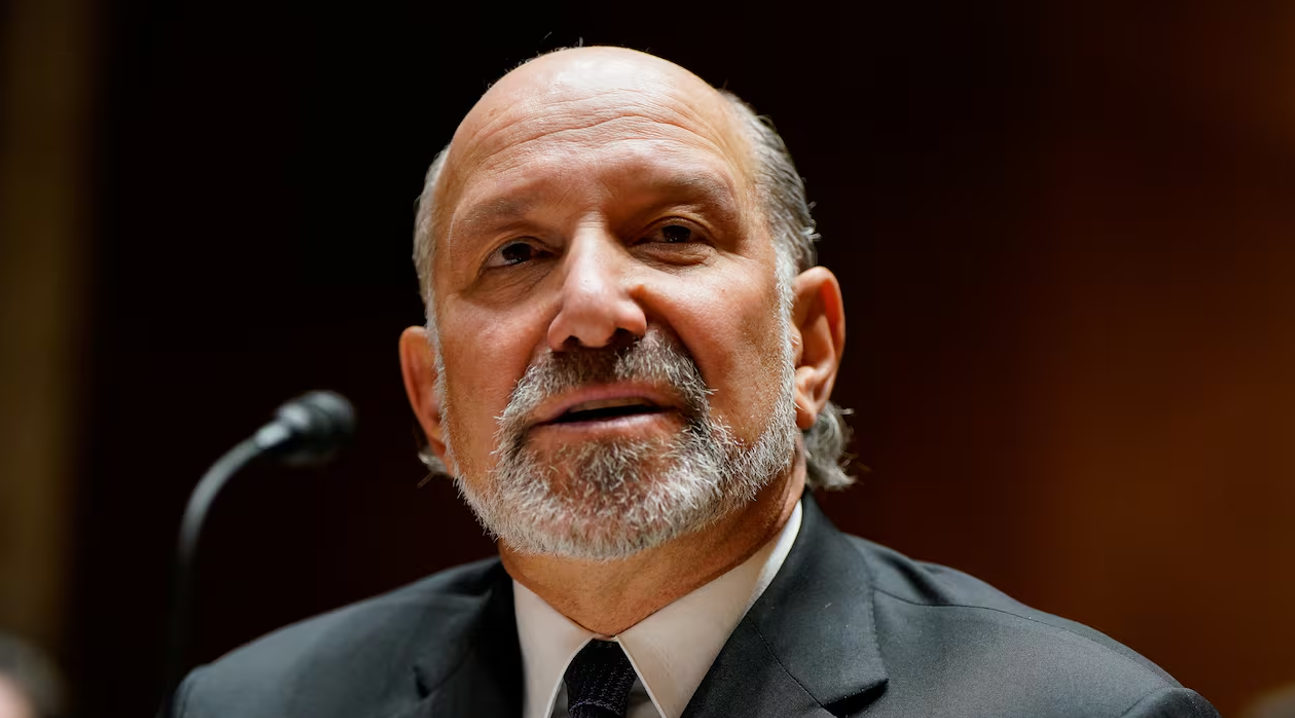
U.S. Commerce Secretary Howard Lutnick accused Canada on August 27 of withdrawing from trade negotiations for political reasons, not due to substantive disagreements. This exchange comes as the 50% tariffs on cars, steel, and other Canadian goods, in effect for several days, continue to directly impact manufacturing jobs in Ontario.
What exactly did Lutnick say?
In a defiant tone, Lutnick responded, “What do I care how Quebecers speak?” when asked about Canada’s concerns regarding the French language, implying that such complaints were not, for Washington, a valid reason to break off negotiations. According to him, the Mark Carney administration used language and other cultural issues as a pretext to withdraw from the talks for what he described as political reasons.
What “political motives” is he referring to?
Lutnick pointed to provincial politics as the real reason behind Carney’s decision: he mentioned both Quebec’s sovereigntist movement, which has elections on October 5, and Alberta’s independence referendum, scheduled for October 19, and suggested that the prime minister preferred to stand firm against the United States rather than close a deal that could cost him political support in those provinces.
How did Canada respond?
Minister Dominic LeBlanc, responsible for trade between Canada and the United States, said that Canada welcomes any changes in the U.S. stance on labeling and cultural issues, and that the country continues to seek an agreement that respects its sovereignty.
What remains to be done?
While the exchange of accusations continues without a date set for resuming negotiations, the 50% tariffs on Canadian cars and steel remain in place, and with them the risk to thousands of manufacturing jobs in Ontario, where a large part of the country’s Latino community lives.
Written by Mauricio Navas Talero LJI Reporter