



Doug Ford urges Ontario boards to prioritize local businesses as tariffs continue to hit
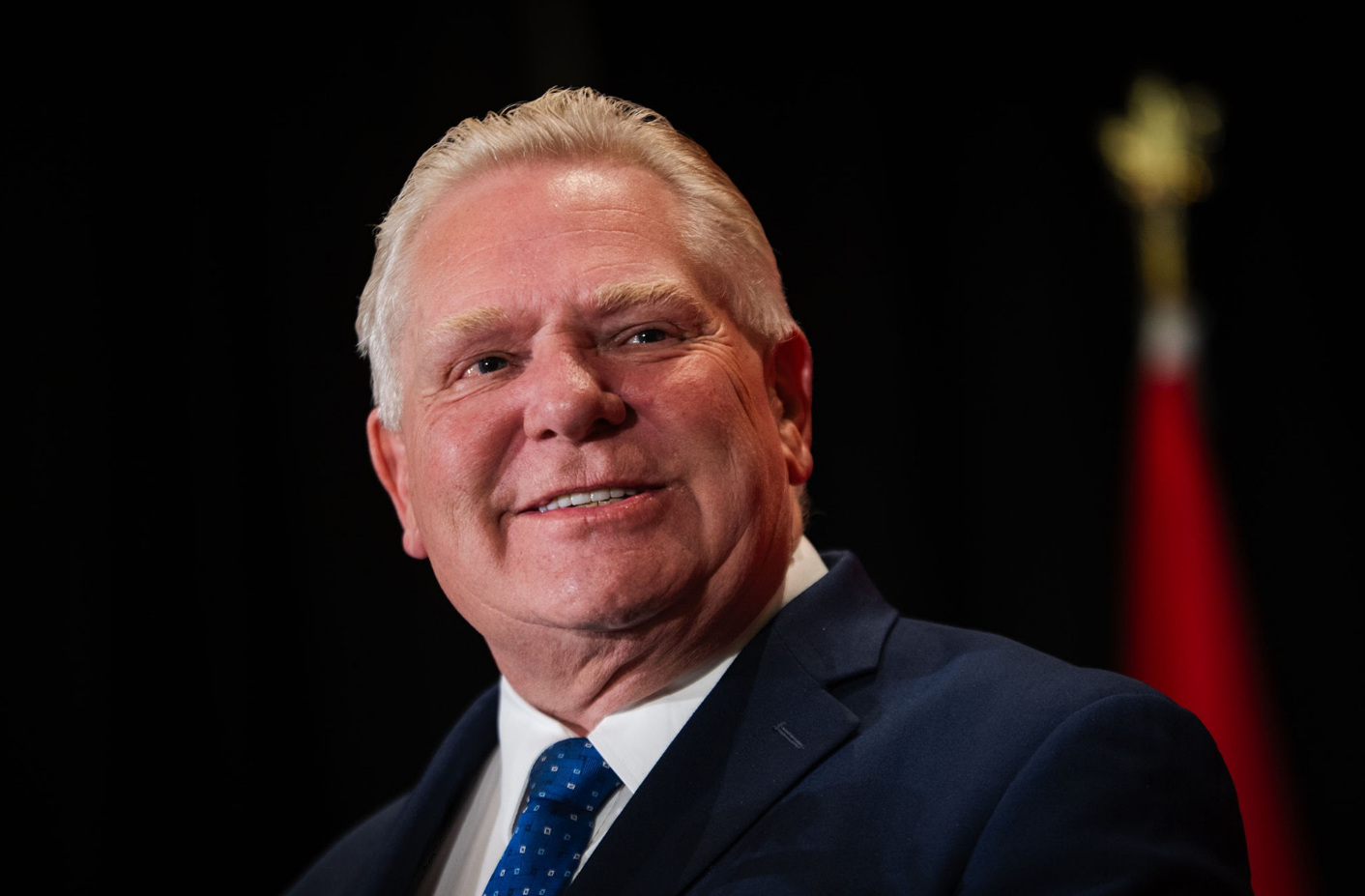
Ontario Premier Doug Ford sent a memo on August 26 to the boards of directors of the province’s public agencies, urging them to prioritize local suppliers under the “Buy Ontario” policy. The move comes days after the United States imposed 50% tariffs on approximately $28 billion worth of Canadian goods, and as Ford attempts to de-escalate his public feud with Trump.
What exactly did Ford ask them for?
Ford urged the boards of directors of hospitals, universities, municipalities, and other public agencies to prioritize Ontario and Canadian companies over American ones when purchasing goods and services. “We can make a difference for a company that would otherwise be forced to close its doors or lay off employees because of these tariffs,” Ford said in the memo.
Why now?
The move comes just days after Ford and Trump traded insults on social media (Ford told Trump he could “kiss his ass” and Trump called him a “lackey”), a confrontation Ford tried to defuse shortly afterward by saying it was time to “lower the temperature.” The memo is a way of translating that tension into concrete action within the province, without depending on the progress of negotiations with Washington.
How real is the risk of layoffs?
The 50% tariffs already in place on steel, cars, and other Canadian goods directly impact the supply chains of Ontario’s manufacturing industry, the province with the largest Latino population in the country. The “Buy Ontario” initiative doesn’t eliminate these tariffs or compensate for the loss of market share in the United States, but it aims to support local businesses that depend on this supply chain through public contracts while the dispute continues.
Is it enough to save jobs?
For the Hispanic worker who is a supplier, subcontractor, or employee of a company that relies on contracts with the provincial government, this Ford directive can be the difference between a contract that is maintained and one that is lost while the trade war remains unresolved.
Written by Mauricio Navas Talero LJI Reporter