



Canada confirms “dollar for dollar” retaliatory tariffs starting September 8: steel, dairy and electronics in the crosshairs
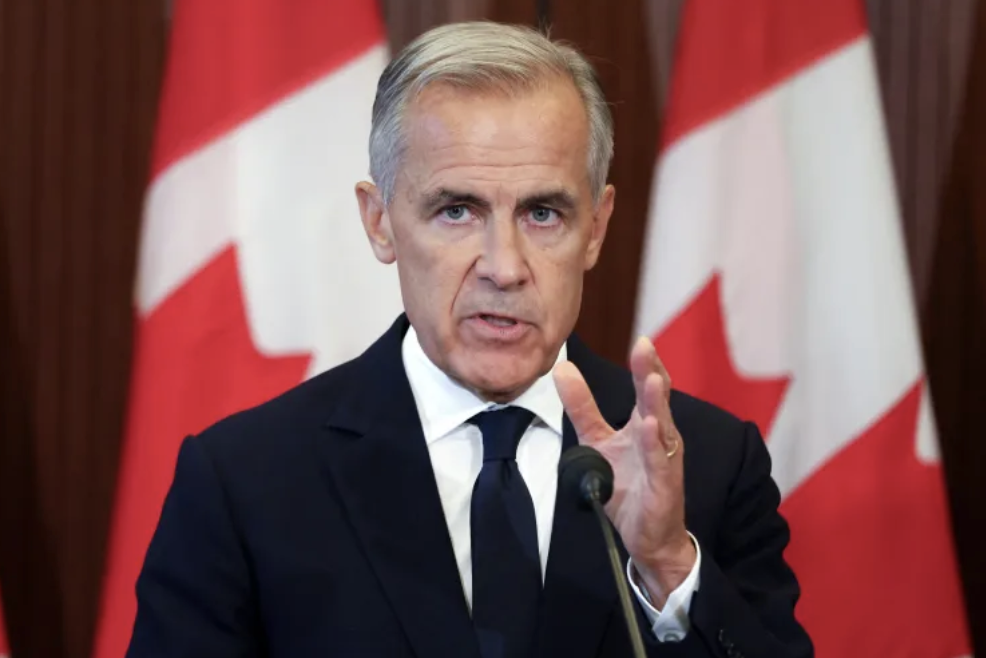
Following the breakdown of negotiations with the United States, Prime Minister Mark Carney confirmed that Canada will retaliate with its own tariffs starting Tuesday, September 8, the day after Labour Day. The list includes steel, dairy products, household appliances, agricultural machinery, pulp and paper, and electronics from the United States.
¿Qué productos van a tener arancel de represalia y por qué esos?
“Canada will match those tariffs dollar for dollar to protect our workers, farmers, families, and businesses,” Carney said on Saturday, August 22. The six sectors Ottawa chose are part of a mirror strategy: they are categories comparable in value to those the United States has already applied to Canada, so that the economic pressure falls evenly on both sides of the border.
¿Qué le hizo Estados Unidos a Canadá primero?
On Saturday, August 22, a 50% tariff was already in effect on approximately $20 billion worth of Canadian goods. According to Newsweek, the list includes auto parts, alcoholic beverages, dairy products such as milk, cream, whey, and cheese, agricultural seeds, bakery mixes, textiles, cosmetics, furniture, and even toys. Steel and aluminum were subject to a 50% tariff, while automobiles were subject to a 25% tariff. None of these goods were protected by the USMCA trade agreement, which, in theory, should exempt a significant portion of trade between the three countries from the tariff.
¿Por qué recién el 8 de septiembre y no antes?
Carney explained that Canada is taking those two and a half weeks to finalize the technical details of the product list and to give Washington one last opportunity before the retaliation takes effect. “We cannot accept what they offered, and we are not going to give them what they asked for,” the prime minister said, in a tone that left little room for a quick reconciliation.
¿Cómo golpea esto el bolsillo de una familia latina en Canadá?
Dairy products are the most sensitive item on this list for any household: milk, cheese, and other American products will become more expensive on Canadian supermarket shelves as soon as the retaliatory measures take effect, just when food inflation was already hitting hard. According to Professor Sylvain Charlebois, director of the agri-food analysis laboratory at Dalhousie University, the combination of tariffs and counter-tariffs could cost an average Canadian family an additional $200 per year, with the hardest-hit foods and beverages rising by up to 8% during peak season, based on what already happened with the 2025 round of tariffs..
Added to this is the risk of reduced working hours in appliance and steel product factories, sectors where Latino workers are also employed in Ontario and Quebec, and the pressure on thousands of Mexican and other Latin American agricultural workers who arrive each year at Canadian farms and greenhouses. In 2025 alone, more than 25,000 Mexicans worked in Canada under the Seasonal Agricultural Workers Program, most of them in Ontario—precisely the province and the agricultural and dairy sector that are now at the center of this dispute.
September 8th thus becomes the next key date in this story. If by then there is no sign of rapprochement between the two governments, the trade war will escalate from threats to actions in both directions.
Editorial Staff Mauricio Navas Talero LJI Reporter