



The Panama Canal will reduce ship traffic due to a new drought threat from El Niño.
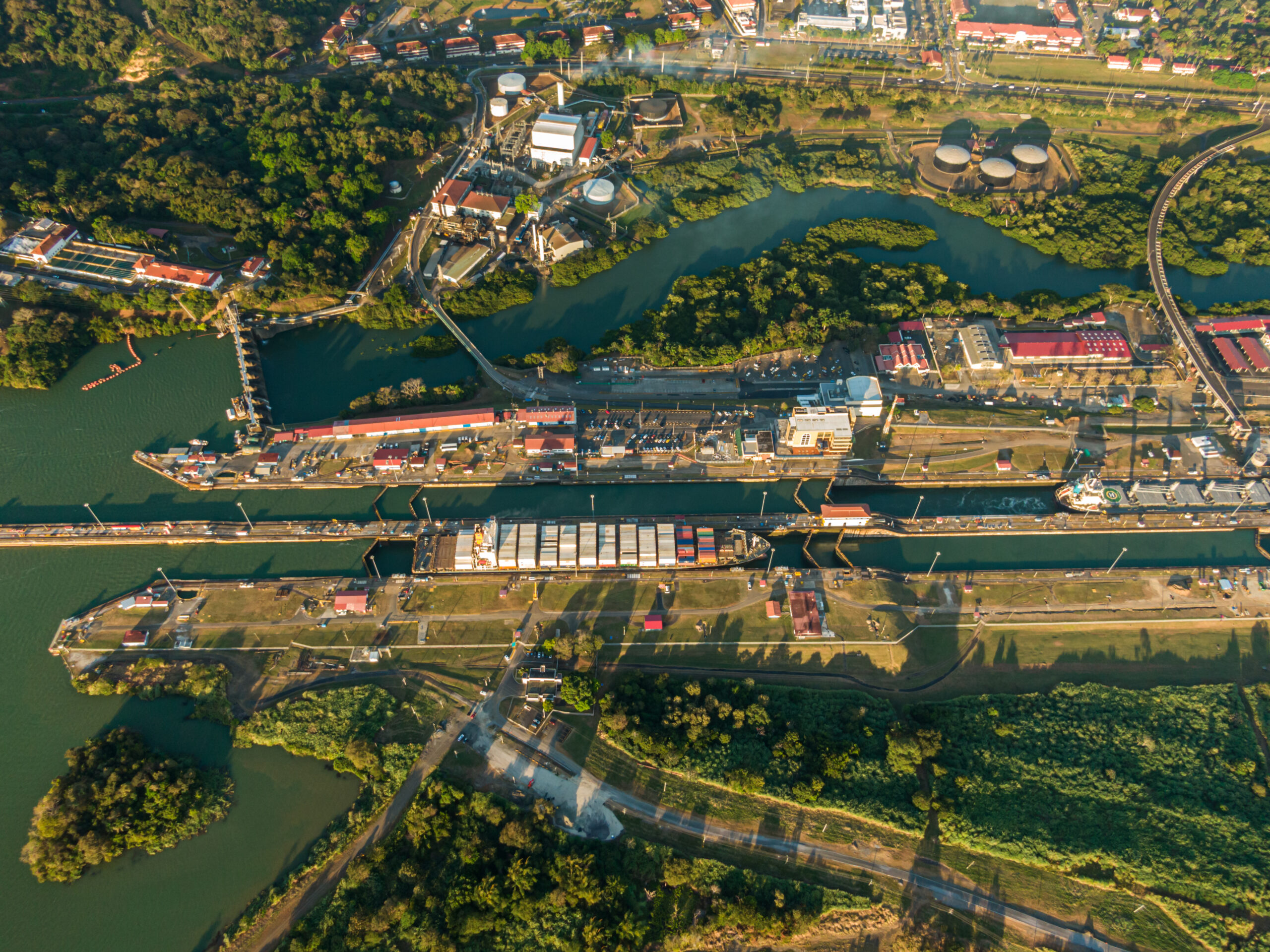
The Panama Canal will again limit the number of ships that can cross the interoceanic waterway daily due to decreased rainfall and the risk that the El Niño phenomenon will cause a prolonged drought during the coming months.
The Panama Canal Authority announced that, starting September 4, the number of daily transits will initially be reduced to 34 vessels, down from a current capacity of approximately 40 crossings per day. From September 15, the limit will be lowered again to 32 ships per day.
The decision comes after rainfall between May and August was 34% below the historical average, while water inflows to the canal’s watershed fell approximately 44% below normal levels. These conditions have raised concerns about the availability of water needed to maintain operations of the interoceanic waterway.
The Panama Canal relies on freshwater from its lakes to operate the locks that raise and lower ships during transit. Each passage requires large quantities of water, so prolonged periods of drought can severely limit the canal’s capacity.
The impact could extend to global trade
The new reduction is causing concern due to the strategic role the canal plays in international trade. More than 3% of global maritime trade passes through this waterway, which connects the Atlantic and Pacific Oceans and allows ships to avoid the long journey around the southern tip of South America.
In addition to reducing the number of transits, the Panama Canal Authority maintains restrictions related to the maximum draft of ships—that is, the depth a vessel needs to navigate safely. When water levels drop, some ships must reduce the amount of cargo they carry in order to transit the waterway.
To manage available capacity, transit space allocation mechanisms will also be modified starting in September. Authorities will establish different categories based on cargo type and prioritize certain vessels in the Neopanamax locks.
The problem is not just a challenge for Panama. A prolonged reduction in the canal’s capacity could lead to longer wait times, increased transportation costs, and changes in trade routes, especially for agricultural products, fuels, natural gas, and manufactured goods.
Written by: Karen Rodríguez A.